People Analytics
Harnessing People Analytics Through an Organisational Psychology Lens.
Harnessing People Analytics Through an Organisational Psychology Lens
In an increasingly data-driven world, people analytics has become a powerful tool for organisations to make smarter decisions, improve engagement and drive success.
But here’s the catch: the real value of people analytics isn’t just in the numbers. It’s in how those numbers are interpreted. When combined with insights from organisational psychology, people analytics goes from being a dashboard of metrics to a lens that reveals the deeper why behind human behaviour at work.
That’s where things get interesting.
What is People Analytics?
At its core, people analytics means collecting and analysing employee data to uncover trends, predict behaviour and guide decisions. The data can include:
- Performance metrics
- Engagement survey results
- Absenteeism rates
- Turnover patterns
These insights shape strategies in hiring, leadership development, performance management and more. But without understanding the psychological factors behind the data, organisations risk acting on surface-level patterns rather than real drivers.
That’s where organisational psychology comes in.
Why Organisational Psychology?
Organisational psychology is the science of human behaviour at work. It explores how individuals, teams and organisations influence performance, motivation and wellbeing.
Layering this perspective onto people analytics transforms numbers into meaning. Instead of asking “What’s happening?” organisations can also answer “Why is it happening?” and “How can we improve it?”
This combination ensures data-driven strategies don’t lose sight of the human side of the equation.
Where People Analytics and Organisational Psychology Intersect
Here are some key areas where the two fields create real impact:
-
Employee Engagement and Retention
Retention metrics and engagement scores tell part of the story. Psychology uncovers the rest: job satisfaction, alignment with values, psychological safety and purpose. Blending both views creates tailored strategies that move beyond generic surveys. -
Diversity, Equity and Inclusion (DEI)
It’s not just who’s in the room, it’s whether every voice is heard. By combining diversity data with insights from group dynamics and social identity theory, organisations can identify hidden biases and build truly inclusive environments. -
Predictive and Strategic Workforce Planning
Numbers help forecast headcount, but psychology adds depth by considering career stages, leadership transitions and developmental needs. This leads to more dynamic and future-proof talent strategies. -
Organisational Network Analysis (ONA)
ONA maps communication patterns and bottlenecks. Add a psychological lens and leaders can understand how influence flows, who the informal leaders are and how culture is really shaped. -
Employee Wellbeing and Psychosocial Hazards
With wellbeing now front and centre, analytics can highlight stress and burnout trends. Psychology goes further, focusing on prevention: shaping leadership behaviours, team dynamics and workload design to create supportive environments.
Bridging Data and Human Insight
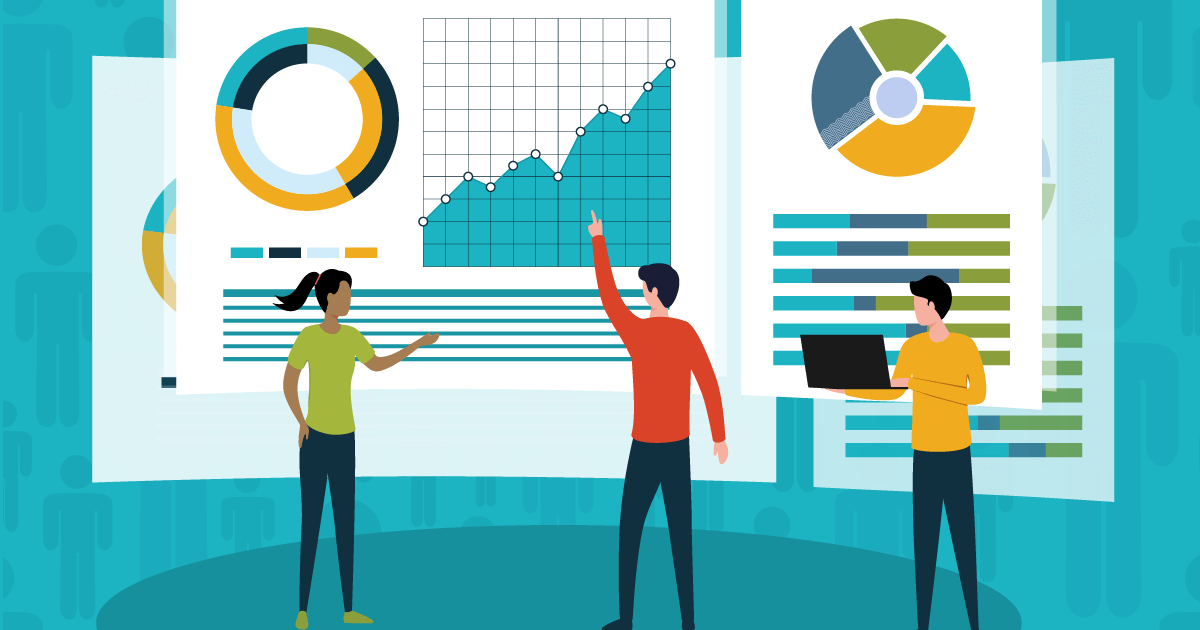
One of the biggest challenges in people analytics is balancing objectivity with empathy. Data shows you the patterns, but psychology explains the why.
For example, low engagement might appear as reduced productivity or absenteeism in the data. But psychology can reveal whether the root cause is misalignment with values, lack of growth opportunities or weak social support.
That’s the bridge: numbers show what’s happening, psychology explains why it’s happening.
Future Directions
We’re still at the early stages of blending organisational psychology and people analytics, but the possibilities are huge. Imagine:
- Real-time sentiment analysis that spots mood shifts early
- Machine learning models that predict not just turnover, but also wellbeing and job satisfaction
- Personalised development plans guided by psychometrics and career trajectory analysis
As tools get more sophisticated, psychology will be even more critical to ensure organisations act with precision and context.
Final Thoughts
The true power of people analytics lies in translating data into strategies that actually help people thrive. When organisations apply an organisational psychology lens, they move beyond numbers and uncover the motivations, behaviours and needs driving those metrics.
The result? Workplaces that are not just efficient and productive, but also resilient, engaging and human-centred.
Organisations that embrace this balanced approach are better positioned to unlock the full potential of their people and succeed in today’s complex, rapidly changing world.